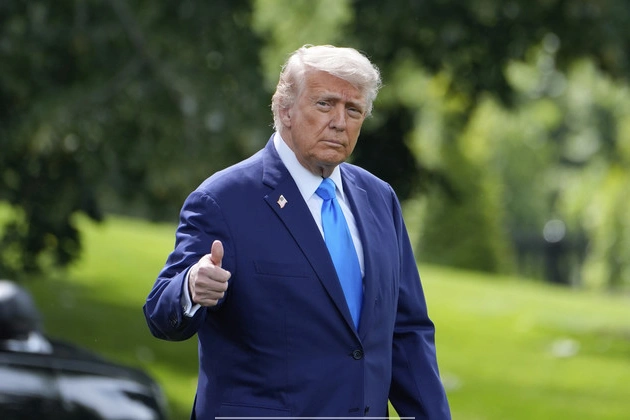
The Trump administration’s recent executive order focuses on enhancing cybersecurity measures and addressing election-related activities. The modifications introduced in the order aim to refine existing cybersecurity policies to better protect critical infrastructure.
Limiting Sanctions and Clarifications
The executive order amends previous directives regarding sanctions on individuals involved in cyberattacks on U.S. critical infrastructure. By limiting these sanctions to foreign malicious actors, the order clarifies that election-related activities are exempt from such actions.
Implications for Election Security
While the order specifies sanctions against foreign persons for attacking critical infrastructure, it raises questions about the potential exemption of foreign hackers targeting U.S. elections, such as Russia. The clarification in the order prompts a closer examination of the implications for election security.
Revoking Digital ID Mandates
One notable change in the executive order is the revocation of provisions related to digital identity documents issued for public benefits. This decision has sparked debate, with cybersecurity experts expressing concerns about the impact on national security.
Focus on Technology Advancements
Aside from cybersecurity measures, the order also addresses advancements in artificial intelligence, quantum computing, and secure software development. Government agencies are directed to collaborate on setting standards for addressing vulnerabilities in AI systems and implementing encryption requirements for the future.
Navigating Challenges and Oversight
The order places a significant emphasis on the role of the Commerce Department and the National Institute of Standards and Technology (NIST) in overseeing cybersecurity initiatives. Despite facing challenges such as budget cuts, NIST is tasked with developing industry guidance on secure software practices.
Refocusing Government Efforts
Furthermore, the executive order aims to redirect government efforts towards identifying and managing vulnerabilities in AI and cybersecurity. By emphasizing vulnerability management over censorship, the order signals a shift in the approach to online security measures.
Overall, the Trump executive order introduces key changes to cybersecurity policies, addressing concerns related to election security, digital identity mandates, and technology advancements. The impact of these revisions on national security and technological innovation remains a topic of ongoing discussion.