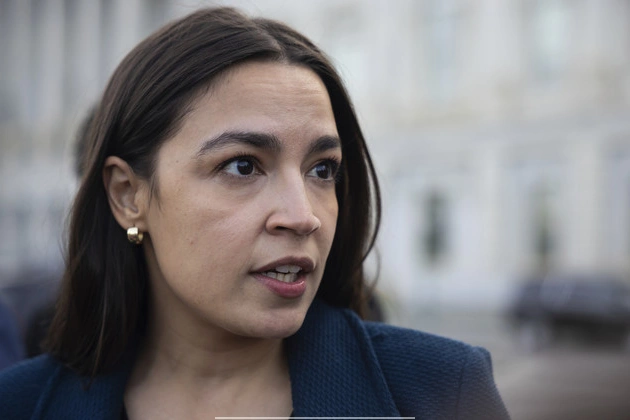
Rep. Alexandria Ocasio-Cortez made a significant announcement on Monday, revealing that she will not be vying for the top Democratic role on the Oversight Committee. Her decision was influenced by the caucus’ emphasis on seniority within its ranks.
Seniority Dynamics in the Caucus
According to Ocasio-Cortez, the caucus’s loyalty to seniority as a determining factor in leadership positions remains unchanged. This lack of shift in dynamics led her to opt for maintaining her current position on the Energy and Commerce Committee.
Following Virginia Rep. Gerry Connolly’s resignation from the top Democratic position on the Oversight Committee due to health reasons, a discreet competition has emerged to fill the vacancy. Ocasio-Cortez, having previously fallen short in a similar bid last year, was initially considered a potential contender for the role.
However, her decision not to pursue this opportunity sheds light on the prevailing dynamics within the Democratic caucus and the influence of traditional factors like seniority.
Implications of Ocasio-Cortez’s Choice
By opting out of the race for the top Oversight Committee post, Ocasio-Cortez’s decision highlights the continued significance of seniority within the party’s power structure. It also underscores her strategic focus on contributing effectively within her current committee assignment.
While her choice may have disappointed some supporters who hoped for her leadership in a prominent position, it reinforces her commitment to working within the existing framework while advocating for progressive policies.