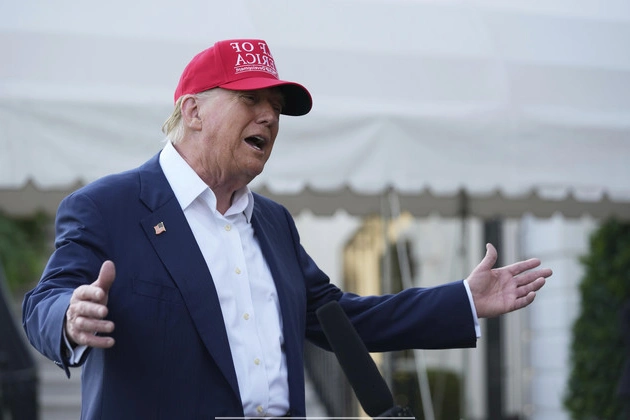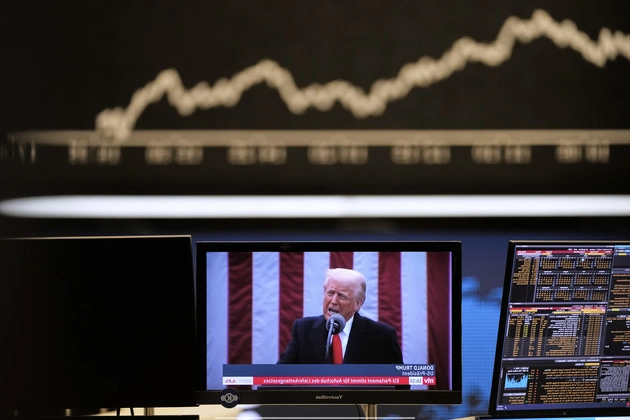
Market volatility and economic uncertainty have surged following President Donald Trump’s aggressive tariff policies, raising fears of an impending recession. The impact of these tariffs on various sectors and the broader economy has triggered a wave of pessimistic forecasts from financial experts and analysts.
The Economic Ripple Effects
Since the announcement of punitive tariffs on U.S. trading partners, market indicators across stocks, bonds, oil, and the dollar have exhibited a bearish sentiment. Analysts at leading financial institutions like UBS and JPMorgan Chase have revised their growth projections downwards, citing the tariffs as a catalyst for potential negative growth and recessionary conditions.
Expert Perspectives on Recession Risk
Eminent economists like Mohamed El-Erian and Gregory Daco have expressed concerns about stagflation and a looming recession due to the adverse effects of escalating trade tensions. The likelihood of a recession within the next year has been pegged at 60% by some economic forecasters, underscoring the severity of the current economic climate.
Market Response and Future Outlook
The stock market’s reaction to the tariff announcements, coupled with retaliatory measures from countries like China, has exacerbated concerns about economic stability. Despite positive employment reports, the specter of inflation, reduced consumer demand, and diminished corporate profits looms large, fueling apprehensions about the economy’s resilience.
The White House’s steadfast stance on the long-term benefits of tariffs contrasts with market apprehensions, leading to a divergence in perceptions about the efficacy of these trade policies. Political and economic ramifications of these tariffs are already evident, with potential repercussions on voter sentiment and business investment decisions.
Future Scenarios and Policy Implications
The evolving trade landscape under President Trump’s administration underscores the need for proactive negotiations and strategic decisions to mitigate potential economic downturns. Stakeholders are closely monitoring market responses and government actions to gauge the trajectory of economic indicators and investor confidence.
As the trade war escalates and global markets brace for further disruptions, the imperative for collaborative solutions and prudent policy measures becomes paramount to avert prolonged economic instability.