The Current Landscape for Farmers
President Donald Trump’s trade policies have had significant implications for American farmers, with the repercussions of his decisions reverberating across the agricultural sector. While the initial trade war prompted a bailout to support struggling farmers, the latest tariffs are posing greater challenges and uncertainties.
Financial Strain and Market Shifts
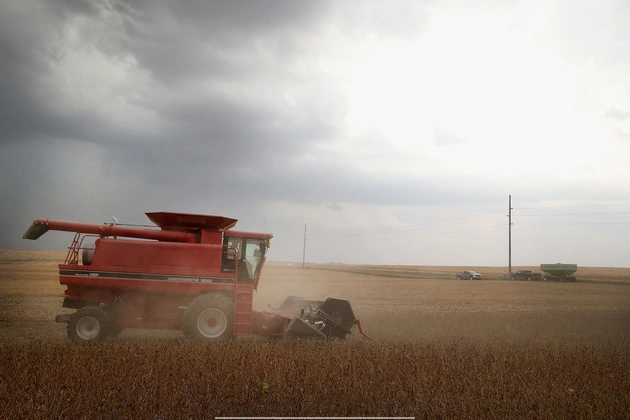
Since 2018, the farm economy has undergone substantial changes, marked by soaring prices for essential inputs like fertilizer and seed. Additionally, interest rates on farmers’ loans have spiked, reaching as high as 8 percent this year. The prices of key crops such as soybeans and corn have plummeted by approximately 40 percent, partly due to the reshaping of the global soybean market.
Political Ramifications and Farmer Loyalty
Farmers, traditionally a loyal constituency to Trump, are now facing the brunt of his trade policies. The looming repercussions could trigger a political reckoning in red states, especially as small- and mid-sized farms struggle and larger operations lose export markets.
Trade War Escalation and Economic Impact
Trump’s recent announcement of baseline tariffs and additional duties on numerous countries has raised concerns among farmers. The potential for retaliatory tariffs on American exports could further exacerbate the economic challenges faced by the agricultural community.
Advocacy Efforts and Policy Responses
Agricultural groups and lawmakers have been actively lobbying for measured tariff strategies to safeguard farmers’ interests. Efforts to secure exemptions and open up new export markets reflect the industry’s push for sustainable trade practices.
Future Outlook and Economic Support
While uncertainties loom over the need for another relief package, the dwindling funds from previous bailouts and constrained federal budgets present challenges. Despite the optimism among some farmers for improved trade deals, the overall outlook remains clouded by economic constraints and policy uncertainties.