Understanding the Impact of Tariffs on the American Economy
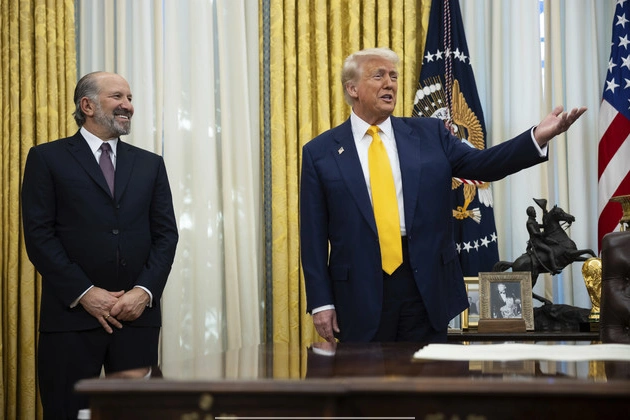
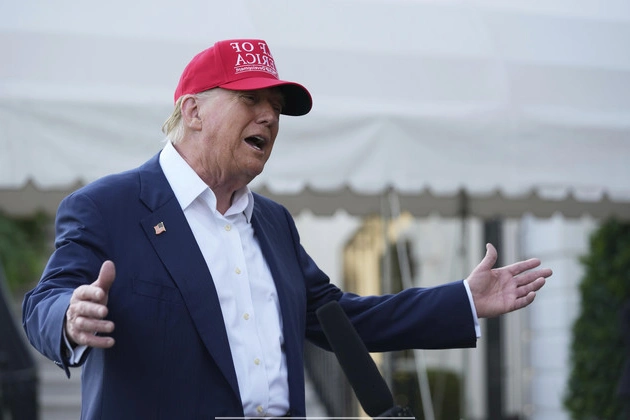
Early in the Biden administration, former Treasury Secretary Lawrence Summers raised concerns about the potential consequences of certain economic policies on inflation. Recently, he reiterated these warnings in response to the tariffs imposed by President Donald Trump, labeling them as a ‘self-inflicted wound’ on the American economy.
The Inflation Forecast
Summers predicts a surge in inflation over the next few months due to the imposition of tariffs. According to him, tariffs lead to price hikes, impacting consumer goods directly.
Supply Shock and Economic Ramifications
Summers highlights the concept of a ‘self-inflicted supply shock’ resulting from tariffs on foreign suppliers. This shock can lead to reduced supply, higher prices, and lower quantities in the market.
Despite the intentions behind these tariffs, Summers doubts their effectiveness in eliciting policy concessions from other nations. He criticizes the approach, referring to it as a form of bullying that may not yield the desired results.
Global Responses and Unintended Consequences
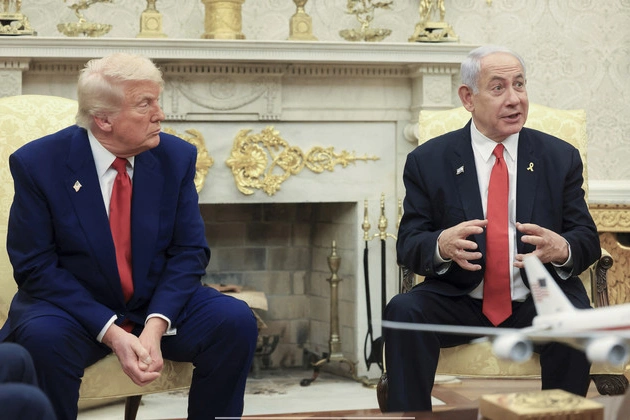
Canada and Mexico, close economic partners of the U.S., have retaliated by imposing tariffs on American products. This retaliatory action reflects the interconnectedness of global economies.
Summers also speculates on the potential beneficiary of this trade war, pointing to Chinese President Xi Jinping. He suggests that the tariffs may inadvertently strengthen China’s position, undermine international norms, and weaken the U.S. economy.
Long-Term Implications and Diplomatic Fallout
Summers warns of the long-term repercussions of these trade policies, emphasizing the need for a strategic and diplomatic approach to international relations. He cautions against resorting to tactics that could backfire and play into the hands of economic rivals.
As the debate on tariffs continues, it is essential to assess their impact on various stakeholders and the broader global economic landscape.