Pro-Palestinian Activists Respond to Trump's Impact on Palestinian Rights Movement
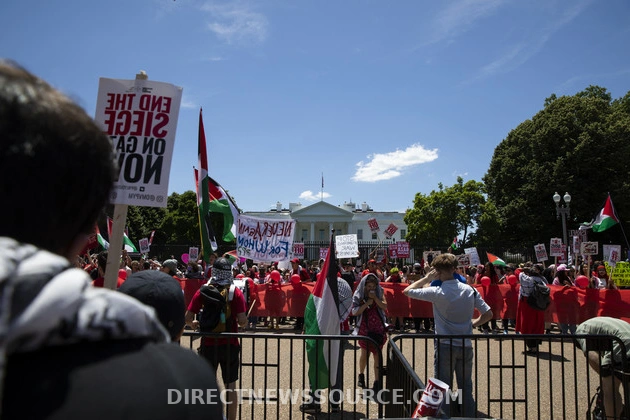
Pro-Palestinian groups in the U.S. are facing a new obstacle with the upcoming Trump administration and Republican leadership.
Traditionally, the movement has concentrated on influencing Democratic authorities, whom they perceive as more amenable to reconsidering support for Israel. However, as Republicans gear up to dominate the White House and Congress, the movement realizes their leverage is diminishing, and their stakes are higher.
Challenges Ahead for Pro-Palestinian Activists
Beth Miller, the political director for Jewish Voice for Peace Action, expresses concern over the potential deterioration of conditions for Palestinians under the Trump administration.
Support for Israel enjoys bipartisan backing, but Republicans have been vocal critics of the pro-Palestinian movement. Recent legislative actions have targeted groups associated with Palestinian advocacy, raising fears of restricted speech.
Threats to Advocacy Organizations
Sandra Tamari from Adalah Justice Project highlights the increased risks faced by advocacy organizations, as authoritarian forces seek to suppress dissent.
Trump’s close ties to Israeli Prime Minister Benjamin Netanyahu and his pro-Israel stance raise apprehensions within the pro-Palestinian community regarding potential legislative restrictions.
Impact on Political Dynamics
Throughout the conflict, pro-Palestinian groups in the U.S. exerted pressure on Democrats, even staging protests at the Democratic National Convention. Their reluctance to fully endorse Vice President Kamala Harris stemmed from the belief that Trump would pose a greater threat.
While their efforts influenced some progressive figures within the Democratic party, they also inadvertently undermined Harris’ campaign, particularly among Arab-American communities.
Reflecting on Strategy
Leaders within the movement acknowledge the need for self-criticism, especially regarding their approach towards Harris and the broader Democratic establishment.
Despite setbacks, activists remain committed to engaging with Democrats, aiming to bridge the gap between party leadership and grassroots demands.
Future Advocacy Tactics
With dwindling influence at the federal level, activists are shifting focus towards local initiatives, including economic boycotts and community mobilization.
By adapting their strategies to the evolving political landscape, pro-Palestinian advocates seek to maintain pressure on policymakers and uphold the rights of Palestinians.