Understanding the US Debt Ceiling: Implications and Actions
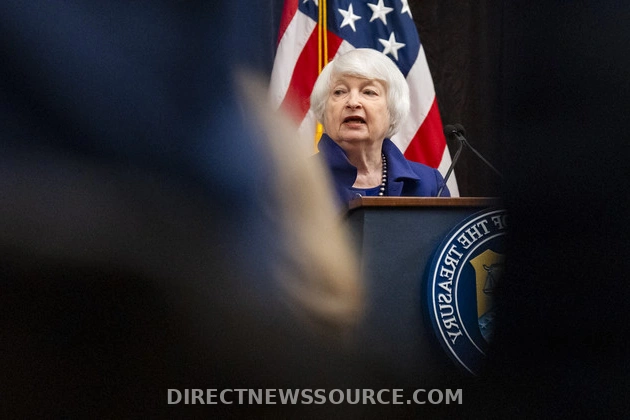
Understanding the US debt ceiling is crucial in navigating the complexities of government fiscal policy. Treasury Secretary Janet Yellen recently highlighted the impending challenge, projecting that the US will hit the debt ceiling in mid- to late-January.
Implications of Reaching the Debt Ceiling
When the US reaches its borrowing limit, it triggers a series of extraordinary measures that the Treasury must undertake to continue meeting financial obligations. These measures are temporary solutions to avoid defaulting on the nation’s debt.
The debt ceiling had been suspended since June 2023, but it is set to be reinstated on Jan. 2, prompting the need for immediate action.
Actions to Address the Debt Ceiling Issue
Yellen’s letter to congressional leaders emphasized the importance of timely intervention to safeguard the country’s financial stability. It is imperative for Congress to act swiftly to raise the debt ceiling and prevent any disruptions in the financial markets.
Historically, extraordinary measures and Treasury’s cash reserves have provided a temporary buffer, but long-term solutions are essential to avoid prolonged financial uncertainty.
Call for Congressional Action
Yellen’s plea to Congress underscores the critical need for bipartisan cooperation to address this fiscal challenge. Protecting the full faith and credit of the United States is a shared responsibility that transcends political affiliations.
As the deadline approaches, it is vital for lawmakers to prioritize national interests above partisan differences and take the necessary steps to avert a potential financial crisis.
Stay informed on the latest developments regarding the US debt ceiling, as timely actions and informed decisions are key to navigating this fiscal hurdle.