The Impact of President Trump’s Tariffs on American Manufacturing
President Donald Trump is championing a manufacturing resurgence through tariffs to safeguard American workers and industry. However, the reality paints a different picture, with manufacturers bearing the brunt of the repercussions.
The president’s abrupt decision to hike tariffs on imported steel and aluminum to 50 percent comes at a time when the manufacturing sector is already facing challenges. Uncertainties surrounding tariff rates have compelled businesses to make tough choices that could impact profits and employment.
Leading trade experts have criticized Trump’s tariff approach, highlighting its myopic view of modern supply chains and the interconnected nature of global manufacturing.
Challenges Faced by Manufacturers
Recent reports indicate a contraction in the manufacturing industry, exacerbated by the escalating trade tensions. The Institute for Supply Management’s index revealed a downward trend in manufacturing activities, leading companies to scale back production plans.
Concerns over trade uncertainties and rising raw material costs have dampened industry optimism, raising alarms within the manufacturing community. The National Association of Manufacturers reported a significant decline in confidence, citing trade volatility as a primary concern.
Amidst these challenges, the manufacturers’ association has urged the administration to provide relief from the tariffs to prevent further harm to American manufacturing.
The Road Ahead for American Manufacturing
While Trump and his administration defend tariffs as a means to boost domestic investment and enhance national security, the reality for manufacturers is one of increased costs and supply chain disruptions.
The imposition of tariffs has raised input prices, prompting manufacturers to evaluate pricing strategies and supplier negotiations to maintain profitability.
However, the reliance on foreign sources for key materials like aluminum and steel poses a significant dilemma for domestic manufacturers. The potential scarcity of these essential inputs could further strain the industry.
Despite the challenges, there is optimism that tariffs could spur domestic production and address demand gaps. Projections suggest a modest growth in manufacturing output over the coming years, provided import duties remain in place.
Adapting to a Changing Landscape
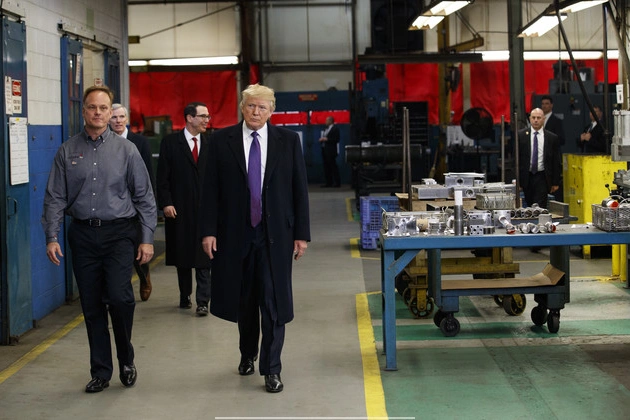
Manufacturers are navigating a complex landscape shaped by trade policies and global dynamics. The shift towards reshoring manufacturing operations may offer benefits in terms of job creation and economic resilience, but it also presents challenges.
The need for skilled workers and the impact of automation on job markets are key considerations for the industry’s future. Balancing the benefits of reshoring with the realities of a transformed workforce is essential for sustainable growth.
In conclusion, the path ahead for American manufacturing amidst tariff uncertainties is fraught with challenges and opportunities. Navigating the evolving landscape requires strategic planning, adaptability, and a keen understanding of global market dynamics.