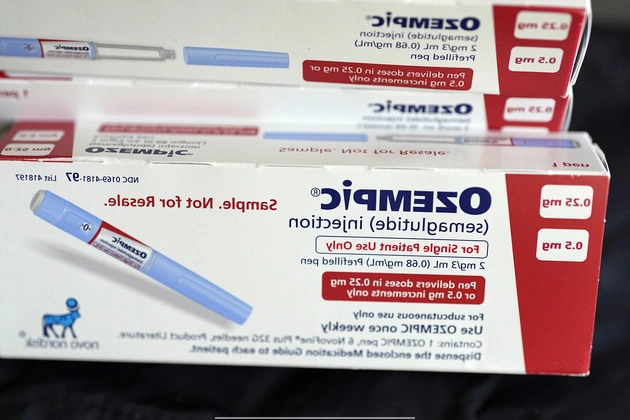
Robert F. Kennedy Jr. has decided against pursuing Medicare and Medicaid coverage for popular weight loss medications like Ozempic, as announced by the Trump administration.
Although the Biden administration had previously proposed expanding coverage for anti-obesity drugs under these public insurance programs, the Centers for Medicare and Medicaid Services (CMS) has deemed it ‘not appropriate at this time.’
Controversy Surrounding Weight Loss Drugs
These medications, particularly the GLP-1 class, have been a subject of debate. Kennedy has been vocal about his stance, suggesting that addressing the obesity epidemic should focus on improving dietary habits and promoting physical activity rather than relying on pharmaceutical solutions.
According to CMS estimates, implementing this policy shift would have incurred significant costs, with Medicare facing a projected $25 billion expense and Medicaid $15 billion over a decade. It’s important to note that these drugs are not a cure for obesity and necessitate ongoing usage to sustain weight loss.
Differing Opinions within CMS
Dr. Mehmet Oz, the newly appointed head of CMS, has expressed support for these weight loss medications. In a social media post, he highlighted the potential benefits of drugs like Ozempic and other semaglutide-based treatments for individuals looking to shed excess pounds.
Despite the current stance, a spokesperson for CMS hinted at the possibility of revisiting the topic in the future. This decision may hinge on a comprehensive evaluation of the drugs’ cost-effectiveness and overall impact.
Future Considerations for Anti-Obesity Treatments
While Medicare already covers drugs for conditions like diabetes and heart disease, the debate around including anti-obesity medications in the coverage remains ongoing. The evolving landscape of healthcare policy and the prioritization of preventive measures could shape the inclusion of these drugs in the future.