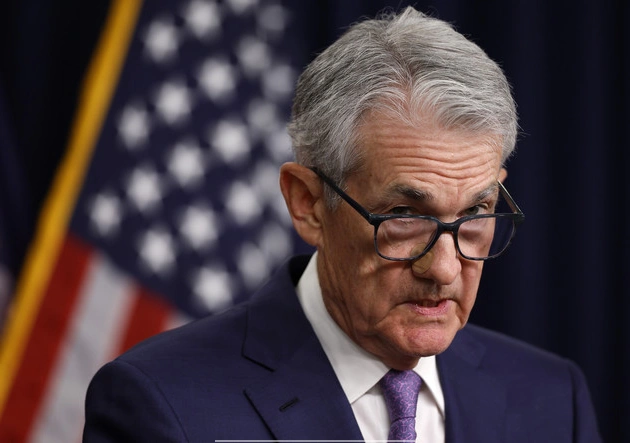
Federal Reserve Chair Jerome Powell has raised concerns about the far-reaching consequences of President Donald Trump’s latest tariff measures, indicating a more substantial economic impact than initially anticipated. In his recent address following the announcement of widespread tariff hikes, Powell highlighted the heightened risk of increased unemployment and inflation.
Unforeseen Tariff Ramifications
Powell emphasized the unexpected magnitude of the tariff increases, foreseeing adverse effects on inflation rates and economic growth. The dual threats of rising prices and a slowing economy pose a significant challenge for the Federal Reserve, which may struggle to address both issues simultaneously.
Market Reaction and Policy Implications
His remarks come amidst ongoing market turbulence triggered by the tariff escalations, set to take effect imminently. Powell’s observations carry weight in financial circles as investors seek cues on potential Fed interventions to support the economy. The central bank’s nonpartisan evaluation approach adds credibility to Powell’s assessments.
Challenges for the Federal Reserve
With Trump openly advocating for rate cuts, Powell faces mounting pressure to navigate economic uncertainties while maintaining the Fed’s independence. Market expectations of future rate cuts reflect concerns over economic slowdown, despite the current stability in job creation prior to the tariff implementations.
Managing Inflation and Policy Response
While tariff-induced inflation spikes are anticipated, the Fed remains vigilant about preventing sustained inflationary pressures. Powell underlined the importance of anchoring long-term inflation expectations to avoid persistent price hikes resulting from tariff-related cost escalations.
Looking Ahead
As the economic landscape evolves in response to trade policies, the Fed’s stance on interest rates will be pivotal. The interplay between tariffs, inflation dynamics, and economic growth will shape the Fed’s future decisions, emphasizing the need for a balanced and proactive approach.