DUARTE, Calif. — Not far from where Ceci Carroll lives, a rock-mining company has polluted the air with dust across the San Gabriel Valley, she said.
Now, as crews clean charred remains from the Los Angeles wildfires, she worries about a new potential source of contamination: a site to process hazardous debris from the Eaton Fire.
Community Concerns Over Hazardous Waste Handling
Carroll, a Duarte resident of 23 years and former local school board member, expressed her concerns about the impact on the community and local school districts, especially on children.
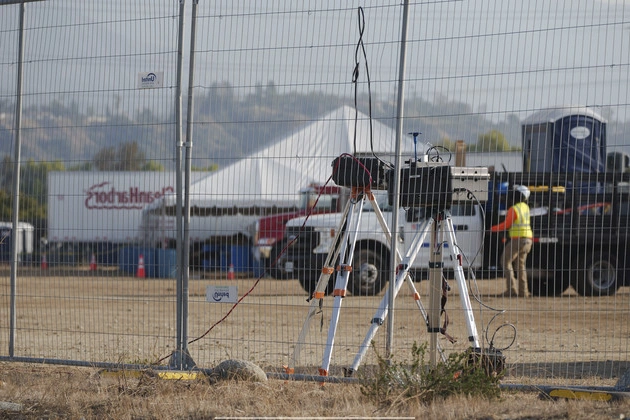
Residents from Duarte, Azusa, and nearby cities are opposing the Environmental Protection Agency’s use of Lario Park in Irwindale as a temporary site to separate, package, and transport potentially hazardous materials from the Eaton Fire.
Environmental Impact and Public Health
Concerns arise from the potential pollution of the air and groundwater due to the presence of hazardous waste in the area. The blazes from the Los Angeles wildfires have already caused extensive damage, including hazardous materials from the burned buildings.
Los Angeles County Supervisor Hilda Solis emphasized the need for caution in handling hazardous materials to prevent further harm to communities already facing pollution challenges.
Community Action and Government Response
Local residents, led by California Sen. Susan Rubio and mayors, demanded transparency and accountability from state and federal officials regarding the hazardous waste cleanup process. They questioned the selection of the site, transportation risks, and post-closure monitoring.
EPA coordinator Tara Fitzgerald defended the agency’s choice of the Lario Park site, citing its suitability and availability for the task. She reassured the audience of the EPA’s experience in managing similar operations without adverse community impacts.
Environmental Safety Measures and Monitoring
The EPA outlined several safety measures, including air and soil monitoring, dust control, and daily waste transportation. The agency assured residents that groundwater contamination risks are low with proper protocols in place.
Experts, like UCLA associate professor Sanjay Mohanty, highlighted the importance of stringent safety measures to mitigate soil and air pollution risks during the cleanup process.
Community Vigilance and Advocacy
Residents, like Laura Jasso, remain vigilant and demand transparency from authorities regarding emergency response plans, material handling, and safety protocols. Community advocacy aims to hold the EPA accountable for ensuring public safety throughout the cleanup operations.
As the cleanup continues, community engagement and oversight play a crucial role in ensuring the safe and responsible management of hazardous waste from the LA wildfires.