Calls for Justin Trudeau's Resignation Grow Amidst Caucus Discontent
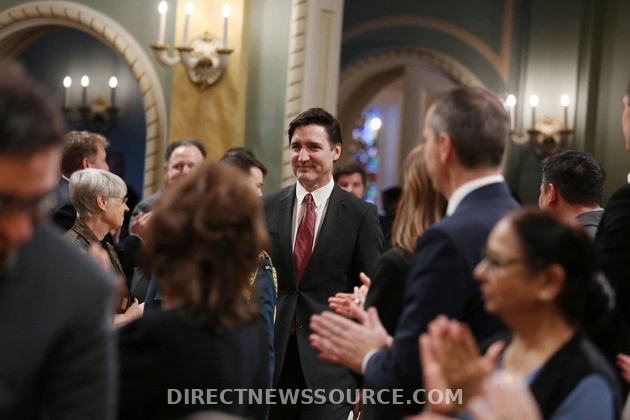
Amidst a ski holiday, Prime Minister Justin Trudeau faces mounting pressure to resign as a majority of his caucus withdraws support over leadership concerns. The escalating turmoil within the Liberal Party raises questions about the future of Canada’s leadership amidst a challenging political landscape.
Challenges and Decisions
Trudeau’s dwindling popularity in polls and internal party dissent cast shadows over his ability to unite Canadians effectively. With a potential tariff war looming with the return of Donald Trump, Trudeau’s leadership faces critical scrutiny.
Political Fallout and Future Elections
The possibility of an early federal election in 2025 adds urgency to the current crisis, as dissent within the party threatens the stability of the minority government. Calls for Trudeau’s immediate resignation echo through the caucus, signaling a significant rift in party support.
Leadership Transition and Party Dynamics
The resignation demands follow a series of high-profile exits, including that of Chrystia Freeland, intensifying pressure on Trudeau to step down. The shifting allegiances within the Liberal Party, notably from the Atlantic caucus, underscore the challenges facing Trudeau’s leadership.
Implications and Path Forward
As Trudeau contemplates his next move amidst mounting calls for his resignation, the political landscape in Canada remains uncertain. The potential impact of a leadership transition on Canada’s stability and international relations adds complexity to the current crisis.
While Trudeau’s future hangs in the balance, the Liberal Party grapples with the need for a cohesive strategy to navigate through this period of upheaval. The coming days hold crucial decisions that could reshape the political landscape in Canada for years to come.