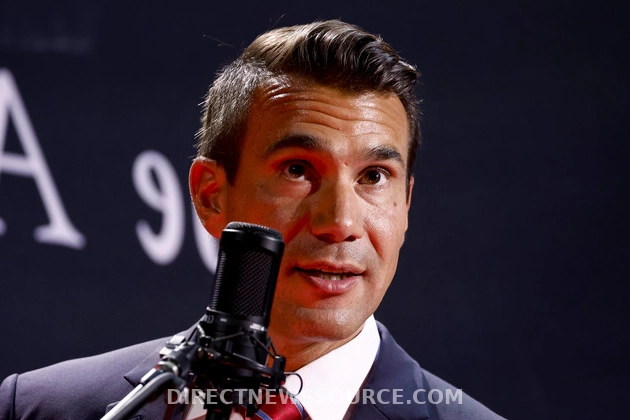
Ensuring the Safety of Artificial Intelligence in Healthcare: The Role of Dr. Brian Anderson
Artificial intelligence (AI) holds the potential to revolutionize healthcare by predicting illnesses, expediting diagnoses, and improving treatments. However, ensuring the safety of AI tools remains a crucial concern, especially in the absence of robust government oversight.
The Role of Dr. Brian Anderson
Dr. Brian Anderson, a former family doctor with a passion for leveraging technology to enhance patient care, has taken on the challenge of safeguarding AI in healthcare. Through his Coalition for Health AI (CHAI), a collaboration of tech industry leaders and major hospitals, Anderson plans to establish quality assurance labs for vetting AI tools.
In a notable move, the Biden administration has expressed support for Anderson’s initiative, recognizing the need for industry-led efforts in AI regulation. With influential partners like the Mayo Clinic, Microsoft, and Amazon, CHAI aims to set new standards for AI safety.
Challenges and Controversies
Despite the potential benefits of industry-led regulation, critics raise concerns about potential biases and conflicts of interest. Some fear that privileging major corporations in AI regulation could stifle innovation and disadvantage smaller players.
Dr. Robert Califf from the FDA acknowledges the limitations of government oversight in monitoring advanced AI tools. He highlights the need for innovative approaches like CHAI’s assurance labs to fill the regulatory gaps effectively.
Building Trust and Transparency
Anderson’s vision for CHAI includes initiatives like model cards, akin to nutrition labels for AI products, to enhance transparency and accountability. By providing clear information on how AI tools function, CHAI aims to build trust among healthcare providers and patients.
Moreover, CHAI’s assurance labs will play a critical role in evaluating AI algorithms and ensuring their safety in diverse healthcare settings. The goal is to create a national registry for AI models, enhancing visibility and accountability in the AI ecosystem.
Future Outlook
As AI continues to advance rapidly, the debate over regulatory frameworks intensifies. Anderson’s efforts to establish CHAI as a leading authority in AI safety demonstrate a commitment to driving innovation while prioritizing patient safety.
While challenges persist, including political uncertainties and industry dynamics, the push for transparent, effective AI regulation remains a shared goal among stakeholders. By fostering collaboration and dialogue, initiatives like CHAI pave the way for a safer and more trustworthy AI landscape in healthcare.